
Looking for where to stay in Paris that actually tastes like Paris? As a chef living and working in this part of west Paris, I can tell you this—Boulogne-Billancourt is where Paris actually eats.
This guide shows why Boulogne-Billancourt is the smartest base for an authentic, family-friendly trip—just 20 to 40 minutes from the centre of Paris and close to the Eiffel Tower—and why a food tour in Boulogne-Billancourt reveals the real city locals eat, far from the tourist churn.
Where to Stay in Paris for Food (The Quick Answer)
The best place to stay in Paris for food is Boulogne-Billancourt if you want authentic local dining without the tourist crowds.
If you want the honest version—here’s how I’d break it down as a chef living here:
- For real local food (the best overall choice): Boulogne-Billancourt — markets, proper bakeries, workers’ lunches, and restaurants without the circus.
- For edgy, modern food scenes: 11ème or 17ème — young chefs, natural wine, loud rooms, big flavours.
- For families who want balance: Belleville or Batignolles — parks, bakeries, and easy, everyday eating.
- For unlimited budgets: 1st or 8th — polished, expensive, and often brilliant… if money isn’t a concern.
Most guides (including the glossy ones) will push you toward central Paris. And yes—if you’ve got an unlimited budget, they’re not wrong.
But if you actually care about how Paris eats today? You live just outside it.
That’s where Boulogne-Billancourt comes in.
A Quiet Culinary Powerhouse on Paris’s Edge
There’s a lie we keep telling ourselves about Paris.
That the real French food—the proper stuff, the kind that makes chefs quietly nod and tourists weep with joy—lives somewhere between the Marais and Saint-Germain.
It doesn’t.
It never really did.
If you want to understand how Parisians actually eat—where the rhythm is slower, the produce fresher, and the tables filled with people who live here rather than photograph it—you need to step just beyond the périphérique and into Boulogne-Billancourt.
This is not the Paris of postcards. This is the Paris of routine, of ritual, of real life. And if you’re searching for a food tour in Boulogne-Billancourt, what you’re really searching for is something far more interesting: authenticity.
Table of Contents
Two Towns, One Culinary Identity
Boulogne-Billancourt wasn’t always one place. It was two.
To the north, Boulogne—lush, green, and quietly wealthy—hugging the edges of the Bois de Boulogne in west Paris. A place where aristocrats, bankers, and dreamers built homes close to nature, close to air, close to the idea of escape from Paris without ever really leaving it.
To the south, Billancourt—grittier, louder, built on labour. Originally a monastic farm, its land fed Paris long before it housed factories. By the 20th century, it had transformed into an industrial engine, dominated by the Renault factories, where thousands of workers lived, worked, and most importantly—ate.
Between them, a story unfolds that explains everything about how this place feeds people.
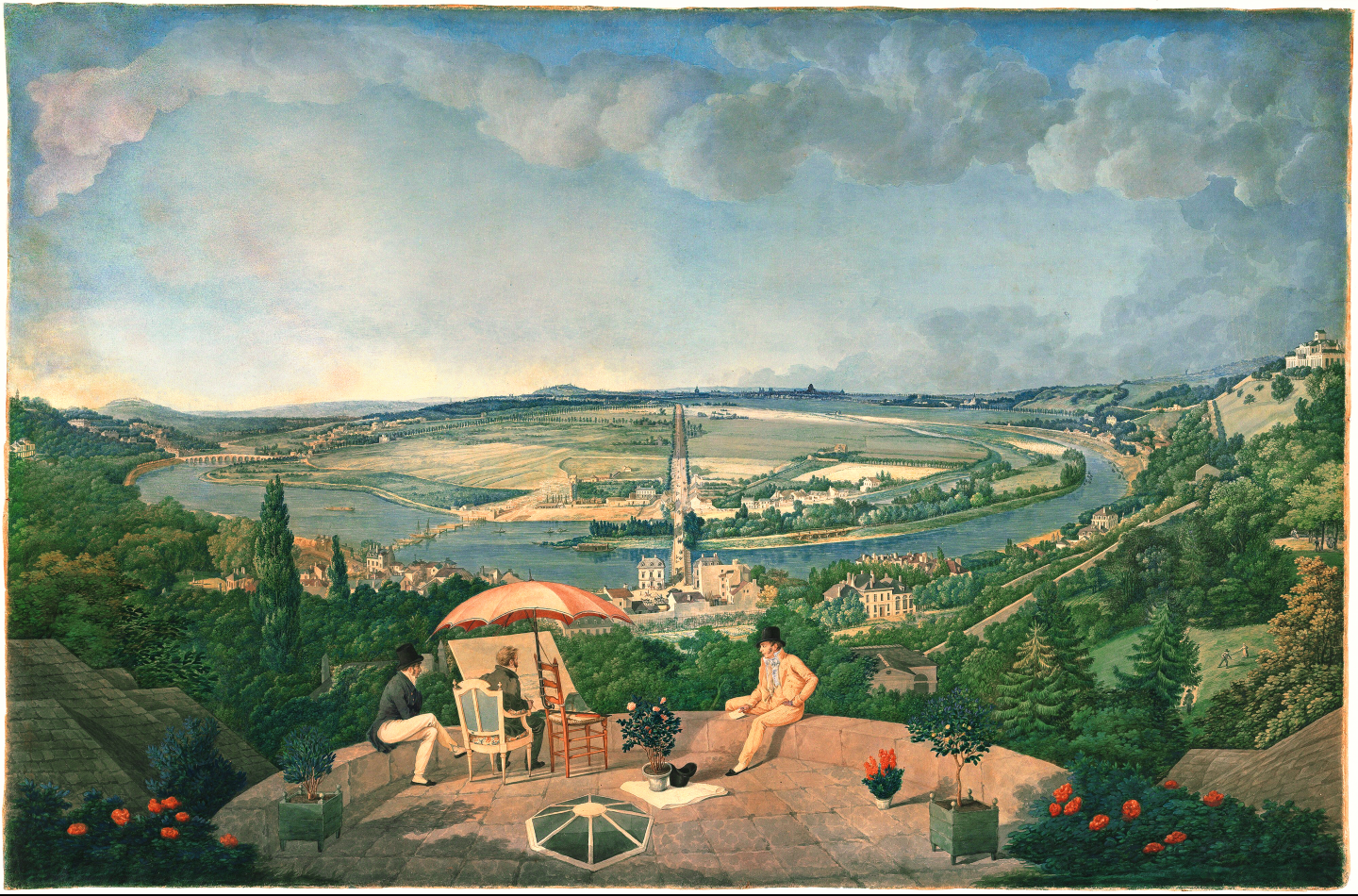
Back when Billancourt fed Paris, not the other way around.
Source; Le Village de Billancourt
From Monastic Fields to Market Tables
Before Boulogne-Billancourt became a suburb, it was a larder.
The land here—fertile, well-positioned along the Seine—was cultivated by monks and farmers supplying nearby châteaux and the growing city of Paris. Vegetables, dairy, grains… this was food grown not for spectacle, but for survival and sustenance.
And that philosophy hasn’t quite left.
Even today, wandering through the markets, you feel it. A focus on seasonality. A respect for produce. A quiet understanding of what the French call terroir—something you can explore more deeply here: learn more about French terroir
Because here, terroir isn’t a concept for wine labels. It’s a way of living.
And terroir does not rely just on the ground, or the climate but the people that live and eat. Here in Boulogne-Billancourt, it’s a place where the locals—though they’d hate me calling them Parisians—live and eat.
The Bois de Boulogne: Paris’s Original Pantry
The Bois de Boulogne isn’t just a park. It’s a relic of survival.
Once a royal hunting ground, it provided game, fish, and foraged ingredients to Parisian tables. Wild herbs, freshwater fish, hunted meat—this was where the elite sourced their ingredients, long before refrigeration or global supply chains existed.
You may still find me diving off into the hidden spots to forage wild garlic or local mushrooms before the crowds get to them.
Later, it evolved into something else entirely: a leisure space. A place where Parisians came to walk, to breathe, and inevitably—to eat.
Restaurants, guinguettes, picnic culture… the Bois shaped not just what people ate, but how they ate. Outdoors. Socially. Slowly.
And that DNA still runs through Boulogne today.
Chalet des Îles: Where Paris Eats Between Worlds
If you want a taste of this old-world Parisian contradiction, make your way to the Chalet des Îles—a slightly surreal relic perched on its own island in the Bois. It’s one of those places that feels like it shouldn’t quite exist anymore… and yet, there it is. I’ve experienced it both ways: once, far too late at night, when it dissolves into a hazy, slightly unhinged Parisian nightclub fantasy… and again in broad daylight, lingering over an eye-wateringly expensive brunch in near-total serenity. It’s indulgent, a touch absurd, and completely French in its ability to hold two opposing truths at once—nature and excess, calm and chaos, simplicity and spectacle—all on the same plate.
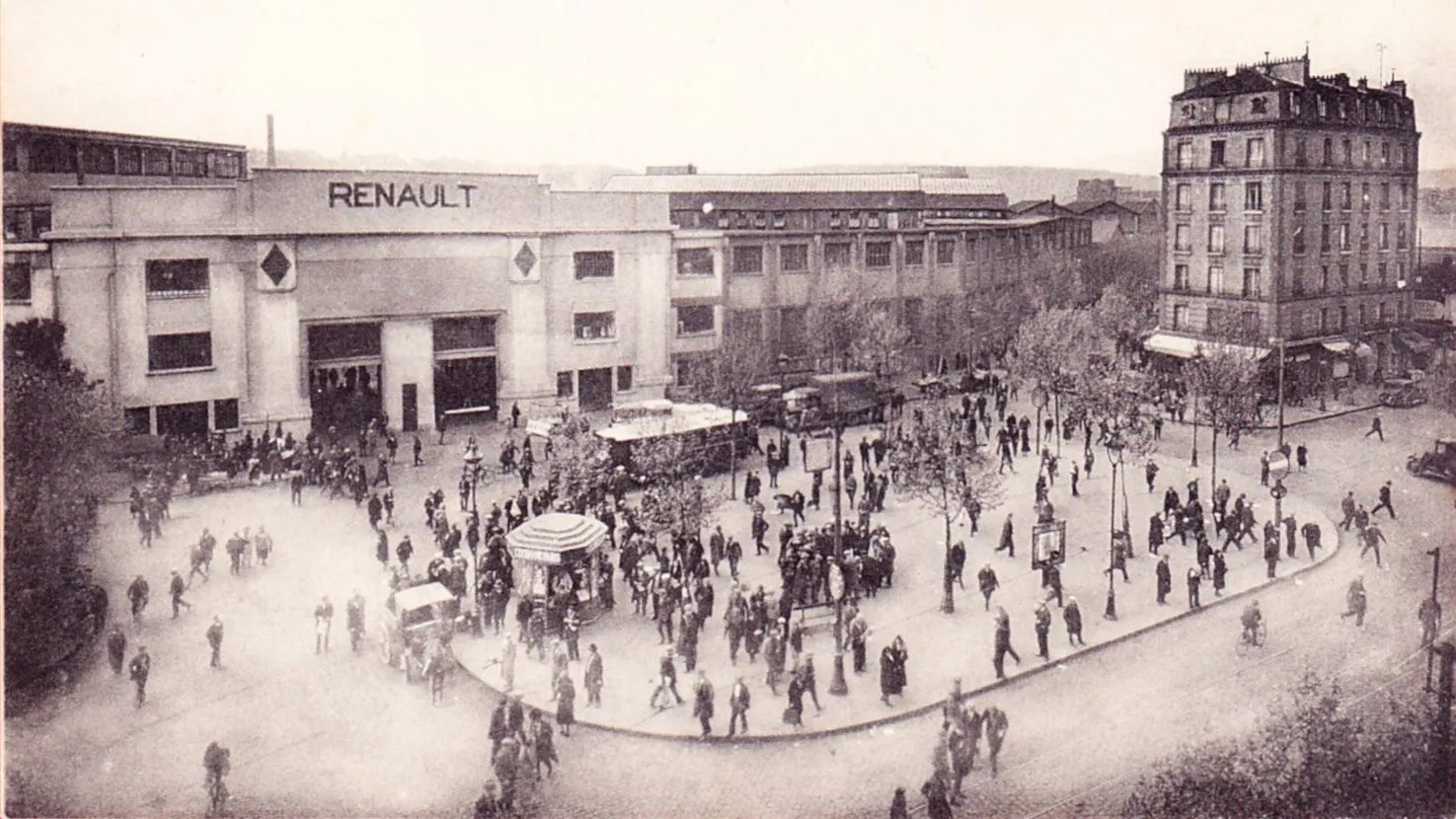
Source; Le Village de Bilancourt
Where Industry Fed a Different Appetite
Then came the factories.
Billancourt became synonymous with Renault, and with it came an entirely different food culture. One built on feeding workers—quickly, affordably, and in volume.
Bistros. Canteens. Bakeries pumping out bread at dawn. Cheap wine poured generously after long shifts.
This wasn’t refined dining. It was necessary dining. But it shaped habits that still define the area: generous portions, honest cooking, and an understanding that food is fuel—but also comfort.
This is exactly the kind of local food culture we explore on our chef-led tours—no scripts, no tourist traps, just real Paris. Join a Paris food tour.
The Real Cantine: Where Locals Actually Eat
To see this legacy in the flesh, go at lunchtime to Restaurant de La Poste – Chez Robert.
No filters, no fuss—just a room packed with office workers, market traders, and retirees who’ve been coming for years. Plates are generous, prices fair, and everything runs on the quiet care of a couple who still believe feeding people properly matters.
It’s busy, a little chaotic, and completely alive—the kind of place where you stop feeling like a visitor and start feeling like you belong.
Coal, Smoke, and the Working Lunch: Boulogne’s Kebab Culture
There’s another side to this story—one most tourists never see.
Boulogne’s kebab spots, still cooking over coals, feeding the city the way it actually eats at midday: quick, hot, affordable, and satisfying.
Head to USTA Grill Istanbul or Anadolia and you’ll find queues of workers and locals who know exactly what they’re after.
No theatre. Just charred meat, warm bread, and sauce running down your hands—though yes, you can absolutely sit down here too. Plates are proper, authentic, and genuinely delicious, often served with a generous pile of fries. Not polished, not romantic—just honest. And, in many ways, closer to the truth of how Paris feeds itself than any tasting menu.
Artists, Architects, and the Birth of Modern Taste
By the late 19th and early 20th centuries, something fascinating happened.
Boulogne became a magnet for artists, architects, and filmmakers.
Studios emerged. Modernist villas appeared. Creative minds gathered.
And with them came cafés, salons, and dining spaces where ideas were exchanged over wine and simple plates of food.
This wasn’t haute cuisine. It was intellectual cuisine. Food as a backdrop to conversation, culture, and creation.
The kind of dining Paris built its reputation on—but often lost in its more tourist-heavy quarters.
Where to Eat in Boulogne-Billancourt (If You Know Where to Look)
A quick nod here: places like Bonnotte show exactly what Boulogne does so well—refined, seasonal cooking without the circus.
This is the level of restaurant you’ll find across Boulogne-Billancourt if you know where to look. There are dozens more like it quietly tucked across the neighbourhood—bistros, bakeries, market stalls, and local favourites that never make it onto the glossy “best of Paris” lists.
We’ve mapped the best of them for you—so you can explore Boulogne like a local, not a tourist. Drop into the map below, follow your instincts, and eat your way through the neighbourhood properly.
Because the truth is simple: you don’t need to fight the crowds in central Paris to eat exceptionally well.
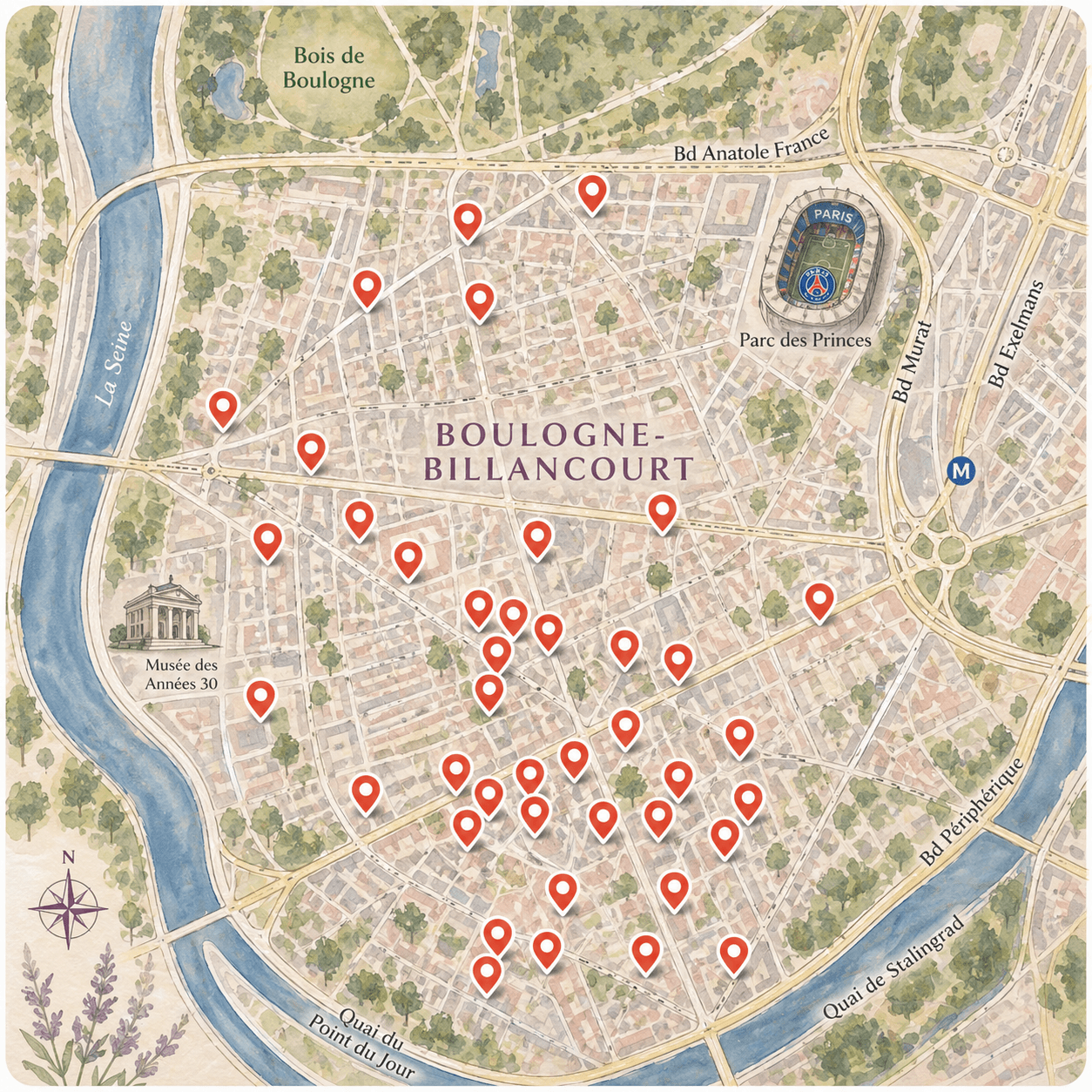
My Boulogne Food Map
Every bakery, bistro, and market I actually rate—mapped properly so you don’t waste a single meal.
Open the Food MapBuilt by a chef. Not TripAdvisor.
The Wealth of the North, The Soul of the South
Walk Boulogne-Billancourt today and you can still feel the divide.
Near the Bois: elegance. Refined, eye-wateringly priced bakeries. Thoughtful épiceries and wine shops lined with bottles that don’t bother with price tags—because, well, you’re not supposed to ask. Quiet, confident luxury.
Further south: a hum of everyday life. Families. Workers. Markets buzzing with purpose rather than performance.
And in the middle? The connective tissue. Transport links, supermarkets, the practical heartbeat of modern Parisian life. Jump on the métro and you can be almost anywhere in the city within 30 minutes.
But here’s the question—why would you leave?
Boulogne (or Boulbi, if you want to sound like you belong) sits in that perfect sweet spot: close enough to dip into central Paris, far enough to avoid its chaos. It’s where you come to experience how Parisians actually eat today.
The kind of place where you can eat like a local—without trying too hard.
Why This Is the Best Place to Stay in Paris for Food
If you base yourself here, something shifts.
You’re not chasing reservations in overcrowded restaurants. You’re not queuing for viral pastries. You’re not paying for theatre disguised as tradition.
Instead, you’re living it.
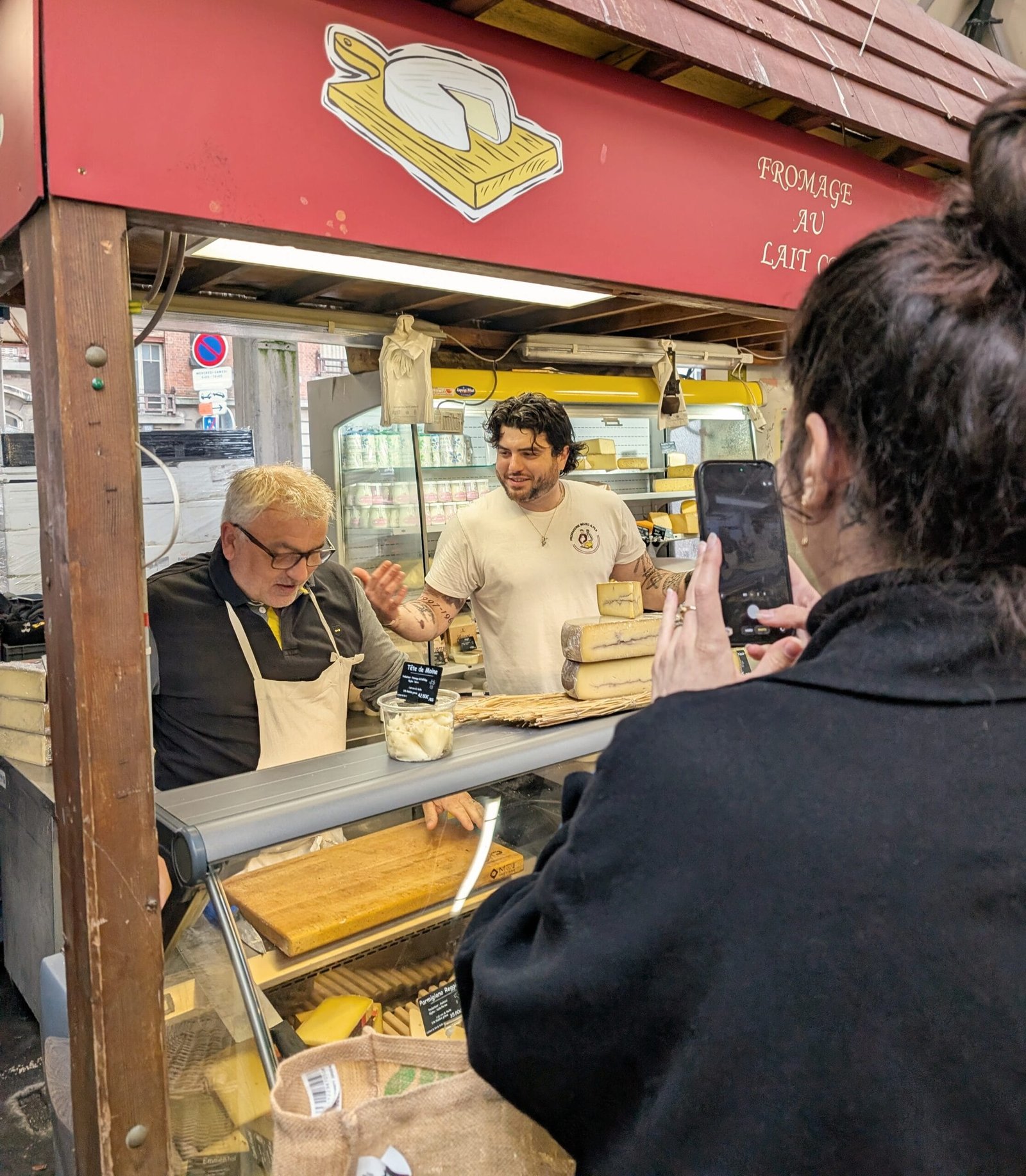
You shop in real markets. You eat where families eat. You discover dishes not because they’re famous—but because they’re good.
And when you do want to dip into central Paris, it’s right there—close enough to explore, far enough to escape.
If you’re serious about experiencing French food properly, you don’t just visit Paris.
You understand it.
And that’s exactly what we do on our tours: join our Paris food tours
The Final Bite
Boulogne-Billancourt isn’t trying to impress you.
And that’s precisely why it should.
It’s a place shaped by farmers, workers, artists, and quiet wealth. A place where the clichés of French food fall away, leaving something far more interesting behind.
Something real.
So if you’re looking for the best food tour in Boulogne-Billancourt, start by doing the simplest thing of all:
Stay here. Walk. Eat. Repeat.
The rest will follow.
Products by Category

FAQ: Where to Stay in Paris for Food
Is Boulogne-Billancourt a good place to stay in Paris for food?
Yes. If you want authentic local dining, Boulogne-Billancourt is one of the best places to stay in Paris for food. You’ll find real markets, neighbourhood bistros, and excellent restaurants—without the tourist crowds or inflated prices of central districts.
Where should I stay in Paris for authentic food?
For authentic Paris food, stay outside the busiest tourist areas. Boulogne-Billancourt, the 11th, and the 17th are strong choices. Boulogne-Billancourt stands out for its balance of local life, accessibility, and consistently good everyday eating.
Is Boulogne-Billancourt close to central Paris?
Yes. Boulogne-Billancourt is in west Paris, about 20 minutes by metro from the Eiffel Tower and 30 to 40 minutes to central neighbourhoods. It’s close enough to explore the city easily, while offering a quieter, more local base.
Is Boulogne-Billancourt expensive?
It can be, especially near the Bois de Boulogne, but overall it offers better value than central Paris. You’ll find everything from refined dining to affordable, high-quality lunch spots and excellent bakeries.
What can you eat in Boulogne-Billancourt?
Everything from classic French dishes like steak frites and market-driven seasonal plates to generous kebabs with fries, bakery sandwiches, and family-style bistro cooking. It’s a true reflection of how Paris eats day-to-day.
Should I book a food tour in Paris or explore on my own?
Both. Exploring on your own helps you live like a local, but a guided experience adds context, access, and deeper insight. If you want to understand what you’re eating—and why it matters—joining a chef-led Paris food tour is worth it.